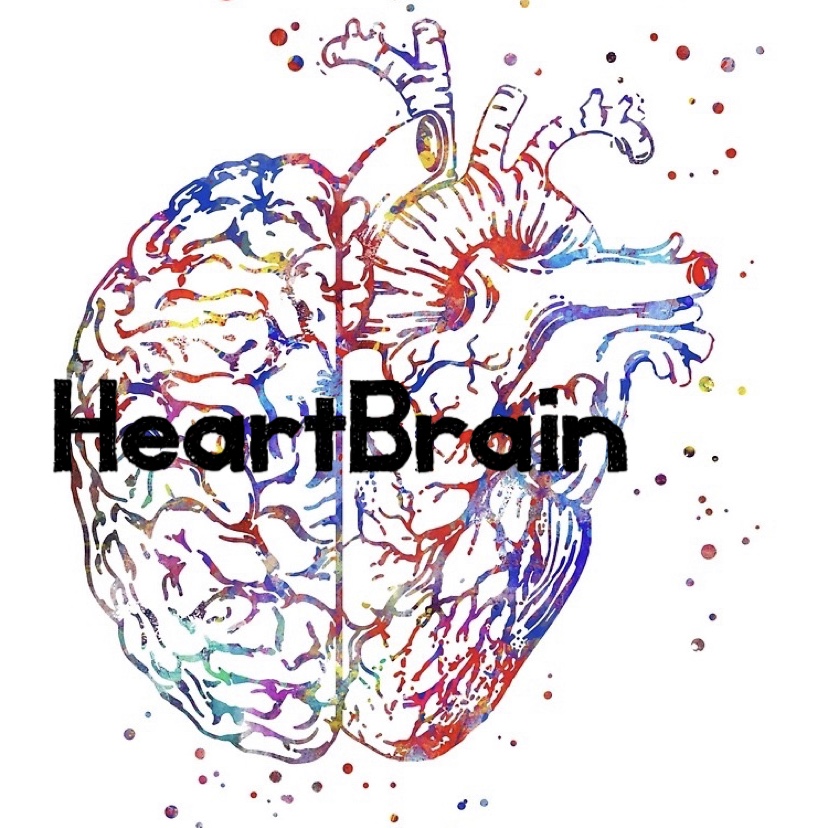
Research on the brain-heart connection has traditionally focused on intentionally altering the brain and observing the effect on the heart, but natural brain injury also confers a specific signal to the heart and causes observable effects. Subarachnoid hemorrhage serves as a good model for how brain injury affects the heart because it causes characteristic cardiac responses, including arrhythmias, contraction band necrosis, and ischemia-like changes.
This article summarizes research relating to the cardiac effects of subarachnoid hemorrhage, proposes a physiologic model of how brain injury leads to cardiac damage, and suggests future directions for research.