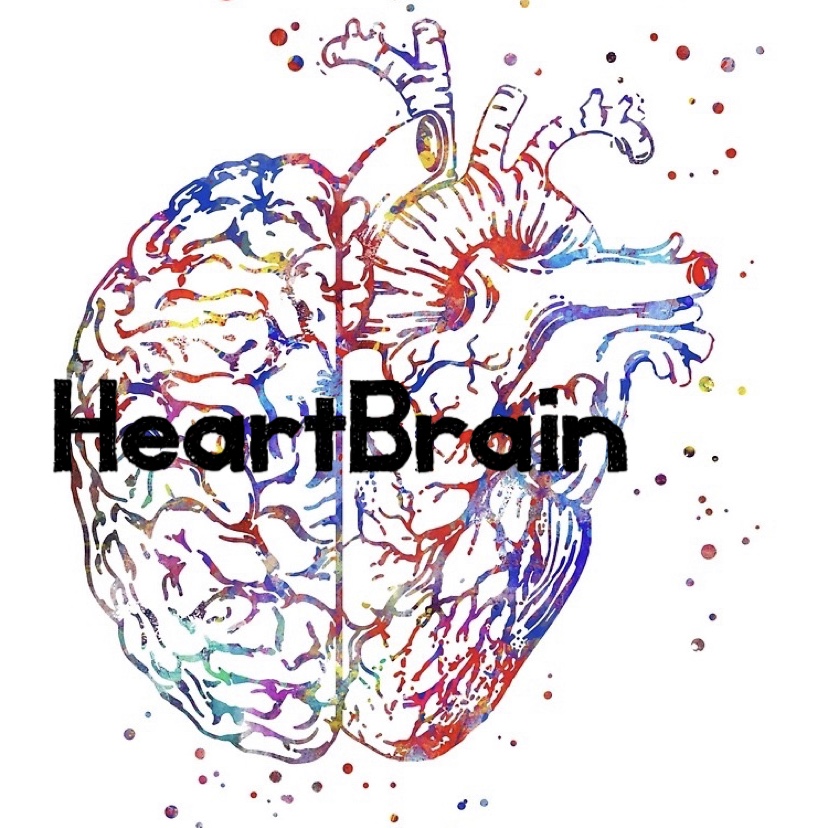
Considerable evidence strongly supports an association between depression and cardiac disease: depression (both major depressive disorder and depressive symptoms) is a predictor of short-term and long-term mortality in patients following myocardial infarction (MI) and is also a predictor of having an acute coronary event in the general population.
The nature of the association has been contested. Does depression cause heart disease because of behavioral factors, autonomic dysfunction, or enhanced inflammation? Or does another factor—such as dietary intake of foods rich in omega-3 fatty acids—simultaneously affect both depression and heart disease? Evidence supports each theory.
Despite the well-proven association between heart disease and depression, attempts thus far to target depression to improve heart disease outcomes have been unsuccessful.
This article reviews the strength of the epidemiologic data linking depression and heart disease and discusses possible mechanisms to explain this relationship.